

Brain Test: Tricky Puzzles
◀
▶



Country
US
Release Date
2019-11-21 00:00:00
Price
Free
File Size
Varies with device
Game Overview
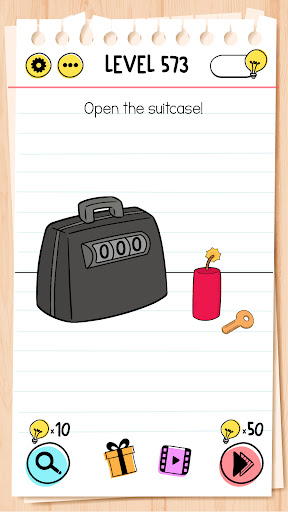
Brain Test: Tricky Puzzles is a creative puzzle game designed to challenge your logic, creativity, and out-of-the-box thinking through a series of unexpected brain teasers. Instead of relying on traditional problem-solving rules, the game encourages players to think differently, break assumptions, and discover hidden solutions that are often humorous or surprising. With its clever level design and trick-based challenges, it offers an engaging mental workout that is both entertaining and rewarding for players of all ages.What Makes Brain Test: Tricky Puzzles Stand Out
Trick-Based Puzzle Design
Each level is built to mislead your instincts, requiring unconventional thinking rather than straightforward logic to find the correct answer.
Creative Problem Solving
Players must interact with objects in unexpected ways, combining logic, observation, and experimentation to progress.
Surprising and Humorous Solutions
Many puzzles feature playful twists and funny outcomes, making the experience entertaining as well as intellectually stimulating.
Progressive Difficulty Curve
Challenges gradually become more complex, encouraging players to improve their thinking skills and adapt to new puzzle styles.
Casual Yet Addictive Gameplay
Short, bite-sized levels make it easy to play anytime while still offering a strong sense of achievement after each solution.
Overall Impression
Brain Test: Tricky Puzzles delivers a fun and engaging brain-training experience that combines humor, creativity, and clever puzzle design. It is ideal for players who enjoy testing their intelligence, thinking outside the box, and solving unexpected challenges in a lighthearted way.
Getting Started
Step 1: Start Your First PuzzleLaunch the game and enter the first level to get familiar with the basic interaction style and puzzle mechanics.
Step 2: Read the Question Carefully
Pay close attention to each puzzle prompt, as hidden clues or trick wording often change the meaning of the task.
Step 3: Think Beyond Logic
Avoid traditional problem-solving methods and consider creative or unexpected interactions with objects on the screen.
Step 4: Try Different Interactions
Tap, drag, and combine elements in unusual ways to discover hidden solutions.
Step 5: Use Trial and Error
Experiment freely—many puzzles are designed to be solved through testing different ideas rather than immediate logic.
Step 6: Pay Attention to Details
Small visual hints or unusual elements often contain the key to solving the puzzle.
Step 7: Progress Through Increasing Challenge
As levels advance, embrace more complex tricks and refine your ability to think creatively under pressure.
Recommended Games
Clash Royale
4.5

Magic Tiles 3™ - Piano Game
4.6

Geometry Dash
4.8
Avatar World ®
4.7

Poppy Playtime Chapter 1
4.4

Five Nights at Freddy's
4.7

School Party Craft
4.5

Grand Theft Auto: San Andreas
4.3

Fortnite
3.8

Toca Boca World x Hello Kitty
4.3

Poppy Playtime Chapter 2
4.0
Hole.io
3.2

Dude Theft Wars FPS Open world
4.3
Build A Queen
4.3

Cat From Hell - Cat Simulator
4.3
Minecraft: Dream it, Build it!
4.4

Spider Fighter 3: Action Game
4.6

Gangster City: Mafia Crime
3.4

Geometry Dash Lite
4.4

Garten of Banban 2
4.0